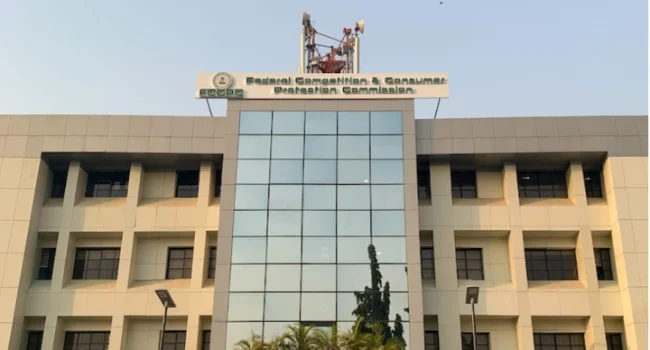
The Federal Competition and Consumer Protection Commission (FCCPC) says it has not banned airtime borrowing or data advance services in Nigeria.
The statement comes few days after MTN Nigeria said it was suspending its airtime and data credit advance service, popularly known as “Xtratime” in compliance with the Digital, Electronic, Online or Non-Traditional (DEON) consumer lending regulations, 2025. The regulations were officially gazetted and took effect on July 21, 2025.
In September 2025, FCCPC said the rules, issued under the Federal Competition and Consumer Protection Act (2018), would serve as a comprehensive framework for registration, transparency, and ethical loan recovery.
In November 2025, FCCPC set January 5, 2026, as the deadline for full compliance with the regulations.
Providing clarity in a statement on Friday, the commission said claims circulating in some media reports and social media posts suggesting it shut down such services are “incorrect”.
“The commission has not prohibited airtime borrowing or data advance services, and no directive was issued preventing consumers from accessing lawful telecom value-added services,” the statement reads.
FCCPC said its intervention in the sector followed complaints from consumers over opaque charges, unexplained deductions, aggressive recovery practices, and poor disclosure standards.
According to the commission, the issues prompted the introduction of the Digital Economy and Online Lending (DEON) consumer lending regulations in July 2025 to address abuses in the market.
“The regulations were introduced to curb the excesses of abusive service providers whose practices had generated persistent consumer harm and undermined confidence in the market,” the FCCPC said.
“The primary aim is to promote a fairer and more transparent system by mandating proper registration, responsible lending conduct, clear disclosure of fees and terms, accessible consumer complaint channels, data protection safeguards, stronger accountability for third-party partners, and effective regulatory oversight.”
“Attempts to misrepresent temporary service inconvenience as the result of lawful consumer regulation are mischievous. Nigerians deserve accurate information, not sensational claims,” the agency said.