


By Ogochukwu Isioma
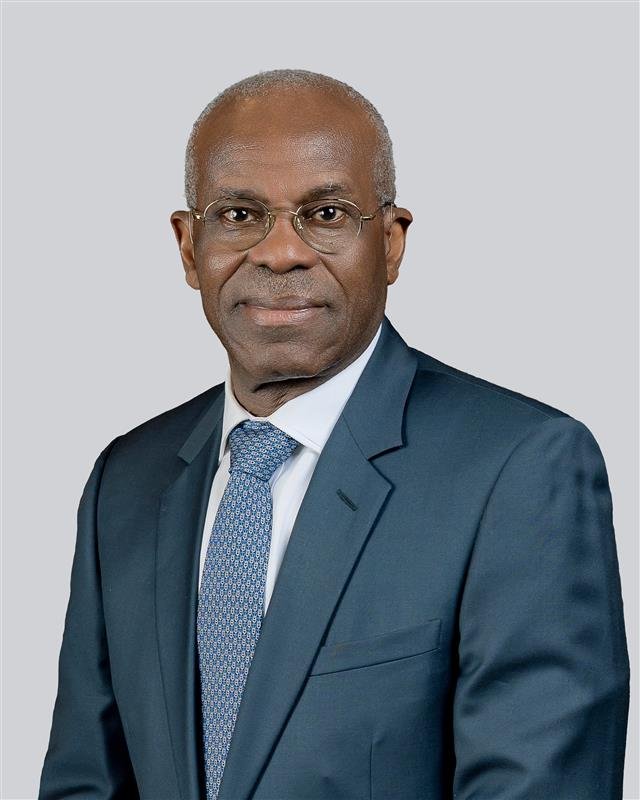
Amid persistent volatility in global energy markets, the Chairman of Renaissance Africa Energy Company Limited, Dr Layi Fatona, has urged the Nigerian government and corporate leaders to strengthen national and corporate resilience by diversifying across oil, gas and mineral resources.
Speaking at the 61st Annual International Conference and Exhibition of the Nigerian Mining and Geosciences Society (NMGS) in Uyo, Akwa Ibom State, Fatona, whose remarks were delivered on his behalf by Renaissance Vice-President for Exploration, Johnbosco Uche, warned that Nigeria must prepare for commodity cycles, shifting energy geopolitics, and rising security risks.
“Infrastructure must be designed to withstand economic, environmental and security shocks,” he said, aligning his message with the conference’s theme: “Optimising Efficiency, Sustainability and Resilience in Resource Management and Infrastructure Development.” According to Fatona, the conference theme reflects both Nigeria’s current predicament and the future it must build in the context of an accelerating global energy transition.
Fatona argued that improving efficiency across the entire resource value chain, from exploration and development to production and market access, remains essential. He called for eliminating redundancies, reducing cycle times, and improving recovery rates. “Data‑driven decision‑making is central to unlocking efficiency gains,” he noted, adding that infrastructure remains a decisive enabler of value creation.
Resource endowment, he cautioned, offers little benefit without the supporting networks to monetise it. “Resource wealth without infrastructure is stranded potential,” he said, urging investment in transport systems, processing facilities, gas networks and export corridors. Integrated planning across the oil, gas and mining sectors, he added, would unlock scale, reduce costs and deepen domestic value capture.
On sustainability, the Renaissance chairman argued that it must evolve beyond a compliance exercise to become an embedded strategic principle. Environmental stewardship, host‑community inclusion and responsible resource utilisation, he said, should form the foundation of Nigeria’s extractive industries. “We must ensure that today’s extraction does not compromise tomorrow’s prosperity,” he said.
Fatona highlighted the transformative potential of emerging technologies, including digital subsurface modelling, artificial intelligence and automation, to improve safety, efficiency and recovery. Real‑time monitoring of infrastructure, he said, enhances reliability and reduces losses. Nigeria, he warned, must accelerate technological adoption if it hopes to remain globally competitive.
He commended President Bola Ahmed Tinubu’s administration for issuing executive orders aimed at improving the operating environment in the natural resources sector. These measures, he said, demonstrate a clear intent to prioritise the sustainable development of Nigeria’s resource base and strengthen the country’s industrialisation drive.
“In the sector in which I operate as Chairman of Renaissance, these actions continue to empower Nigerian operators and improve the ease of doing business,” he added. For a country with a rapidly growing population, abundant talent and vast natural resources, he described industrialisation as “a necessary vision.”
Fatona called on government, industry players and other stakeholders to intensify collaboration to ensure that Nigeria’s aspirations for industrial growth and economic diversification are fully realised.


