It has been more than two decades! For residents of Obaseki Street and neighboring communities in the Ikpoba Hill area of Benin City, life was full of anxiety whenever the dark clouds began gathering. Every rainy season brought with it for this long period of time the same cycle of destruction. Aging roads disappeared beneath muddy floodwater, deep gullies widened with every downpour, and homes developed serious cracks. What of businesses? They shut their doors. Investments in building homes were washed away as families relocated. Those who braved the odds lived with the fear that the next heavy rain could wash away everything they owned.
Indeed, for this long, erosion crisis stood as one of the state’s most stubborn environmental challenges. Successive administrations attempted different interventions, yet the flooding persisted. Residents resigned to date. But all that story is beginning to take a different turn under the administration of Governor Monday Okpebholo.
While on a recent inspection of ongoing projects in Benin City, the governor visited the site of an ongoing underground drainage system construction at Obaseki Street. Unlike previous interventions that merely repaired damaged roads, this project was awarded with a design to tackle the root cause of the flooding by directing stormwater safely into the Ikpoba River through a modern underground drainage network.
This is not a reaction to erosion after it occurs, but one that aims to prevent it from happening in the first place with an impact reaching far beyond a single street.
To understand the gravity is to commend this effort..As it were, flooding along the Benin–Auchi Road disrupted movement and business around strategic public institutions, including the Court of Appeal, Federal High Court and the Edo State office of the Independent National Electoral Commission (INEC). During heavy rainfall, vehicles struggled through flooded sections, court users and electoral officials found access difficult, while commercial activities slowed considerably. The nearby High Court corridor also experienced recurring drainage problems, making the entire Ikpoba Hill axis one of the most difficult places to navigate during the rainy season.
The new underground drainage system is changing that reality by restoring free movement while protecting vital public infrastructure from repeated flood damage. For Governor Okpebholo, the solution lies in addressing what earlier interventions overlooked, such as the old underground drainage channel that had become blocked over time, leaving rainwater with nowhere to flow. As floodwater accumulated, it spread into roads, homes, and open spaces, gradually creating the devastating gullies that threatened both lives and property.
Governor Okpebholo’s intervention involves constructing a modern drainage system supported by line drains extending for about two kilometers before discharging safely into the Ikpoba River. It is an engineering solution intended to provide long-term protection rather than another temporary repair.
For residents, however, this technical explanation simply confirms what they have always known. The water had nowhere to go. Instead, it flowed through their compounds, weakened their foundations, and turned every rainy season into a period of uncertainty.
Today, the strongest evidence that the project is making a difference comes from the people who have lived with the erosion for decades. Eighty-year-old Mercy Omoruyi recalled watching one government after another promise solutions without visible results. She said Governor Okpebholo’s intervention is the first she has seen move beyond promises into actual construction. To her, the project is already protecting lives and property that had remained at risk for years.
Kelvin Malagu, who has lived in the community since 1994, described the drainage project as the first meaningful government response to the erosion crisis in decades. According to him, landlords who abandoned their properties because of the advancing gully are beginning to return, encouraged by the pace of work and the confidence that the area can once again become safe.
Another resident, Tayo Omodogbe, said he spent more than 26 years worrying that his home could collapse during every rainy season. Today, he said, residents are beginning to look forward to the rains with less fear and greater hope.
Their testimonies reveal something deeper than appreciation for a government project. They reflect the gradual return of public confidence in a community that had almost accepted flooding and erosion as unavoidable facts of life.
The Obaseki Street project also illustrates Governor Okpebholo’s style of governance. Rather than relying solely on reports from officials, he has consistently visited project sites across the state to monitor progress personally, question contractors, and interact directly with residents. This approach has become a recurring feature of his administration’s infrastructure program.
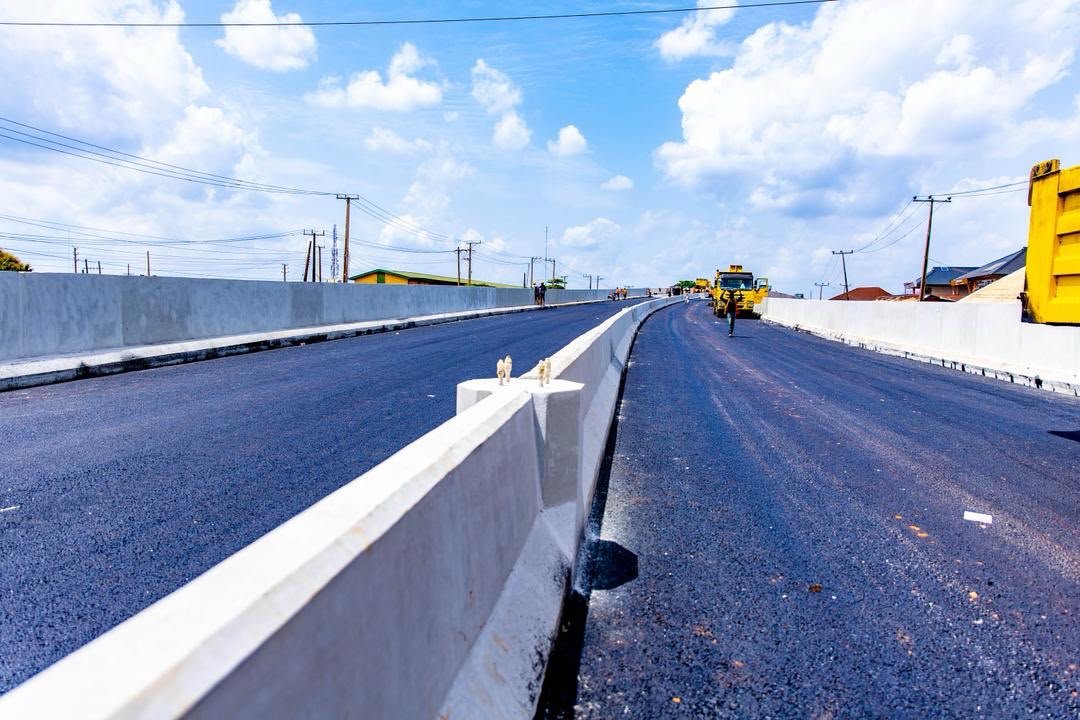
Beyond Obaseki Street, the governor inspected the Ikpoba Hill Flyover, the Adesuwa Flyover on Sapele Road, extensive stormwater drainage projects, and road rehabilitation works spread across the three senatorial districts. Together, these projects form part of a broader effort to improve transportation, reduce flooding, and modernise public infrastructure across Edo State.
Officials in the Ministry of Works say the Obaseki Street intervention was approved soon after the governor became aware of the severity of the environmental challenge. They say it as a comprehensive project aimed not only at rebuilding damaged roads but also at eliminating the persistent flooding that has affected residents, motorists, and public institutions for decades.
Infrastructure is often judged by what people can easily see. Flyovers become landmarks. Highways attract headlines. New public buildings quickly become symbols of development. Drainage systems rarely receive the same attention because they remain hidden beneath the ground. Yet it is often the infrastructure people can not see that makes everyday life possible.
Governor Monday Okpebholo knows that a well-designed drainage network protects roads from premature failure, prevents homes from collapsing, safeguards businesses from repeated losses and allows schools, hospitals, courts and government offices to continue functioning even during heavy rainfall. This is why the Obaseki Street project carries significance beyond its location. It represents an investment in resilience, public safety, and long-term urban planning.
The project objective is already becoming clearer as the rainy season peaks. It is performing as designed and is very certain to stop floodwater. It is restoring confidence to homeowners, reviving economic activities, preserving public infrastructure, and protecting one of Benin City’s busiest corridors from a problem that has lingered for more than 20 years.
For the people of Obaseki Street, success will not be measured by speeches or ceremonies. It will be measured on the morning after a heavy rain when children walk to school on dry roads, shop owners open their businesses without fear, families sleep peacefully through a storm, and residents look out of their windows to see flowing drains instead of advancing floodwaters.
That day has finally arrived, and Ikpoba Hill will no longer be remembered as a symbol of erosion and despair, but as proof that even the oldest problems can be solved when vision is matched with action, and promises are backed by purpose.
ABOUT THE AUTHOR:
Ebojele, PhD in public administration, is the Chief Press Secretary to Governor Monday Okpebholo of Edo State.