


By Jumoke Olaitan and Funmilayo Adeyemi
No fewer than 24,000 additional Nigerians are expected to benefit from a new $65 million funding phase under the World Bank-supported Sustainable Procurement, Environmental and Social Standards Enhancement (SPESSE) project.
The Executive Secretary of the National Universities Commission, Prof. Abdullahi Ribadu, disclosed this on Wednesday in Abuja during the signing of performance contracts for the additional SPESSE financing.
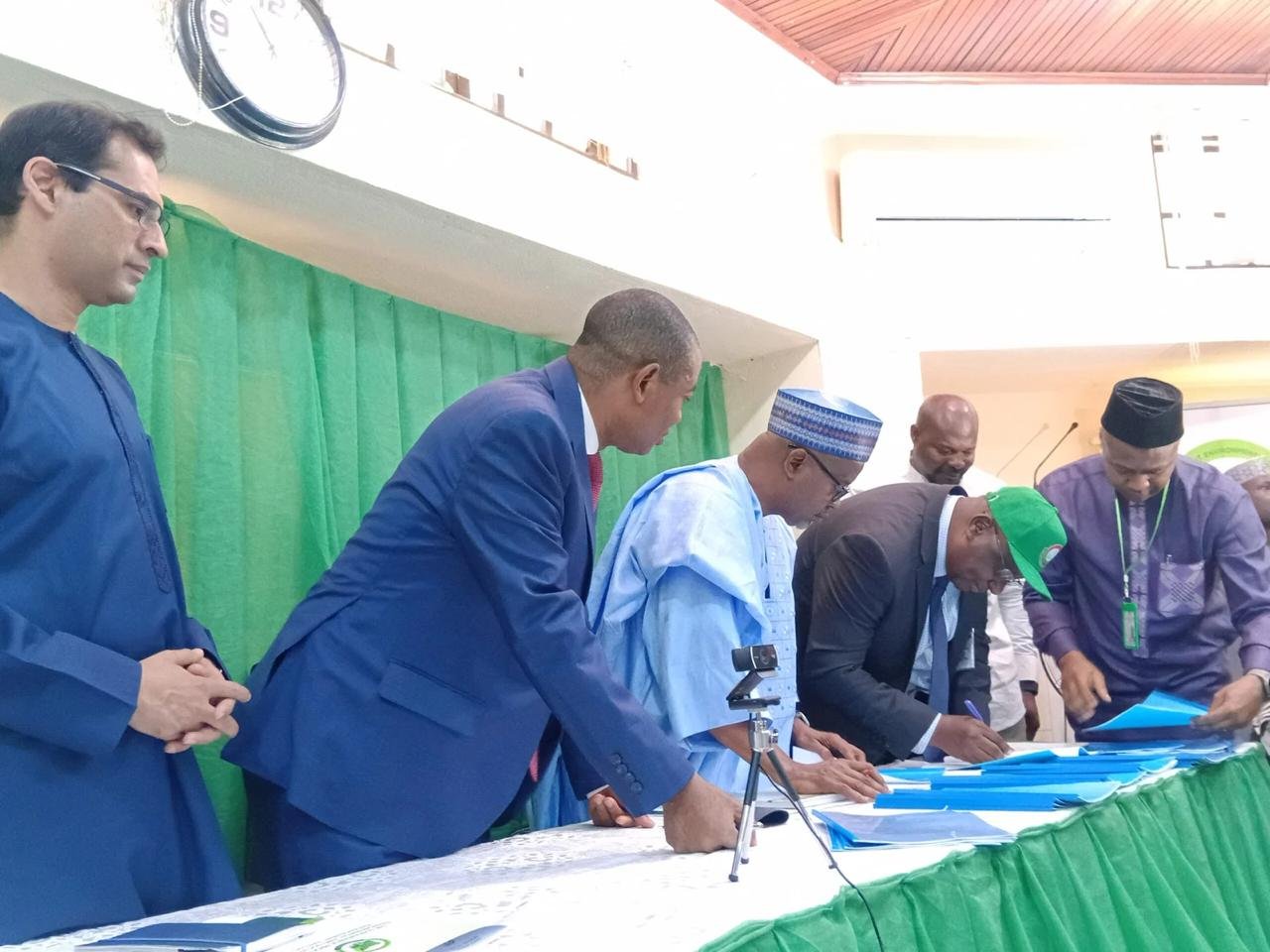
The programme also featured the signing of performance contracts with vice-chancellors of participating universities.
Ribadu said the new financing phase builds on the success of the initial 80 million dollar SPESSE project, which became effective in 2021.
According to him, the initiative is aimed at strengthening Nigeria’s capacity in procurement, environmental management and social standards across public and private institutions.
He said the project was introduced to address the shortage of skilled professionals in critical governance areas.
“With the support of the World Bank and under the coordination of the NUC, six centres of excellence were established across the six geopolitical zones to provide sustainable capacity building in these critical sectors.
“The centres are laying a foundation that ensures that no region is excluded from inclusivity,” he said.
Ribadu said the six participating universities emerged through a rigorous selection process that assessed institutional readiness, quality assurance and sustainability measures.
According to him, the institutions are now playing strategic roles in producing skilled manpower needed to support transparency, environmental responsibility and socially inclusive development.
He described the contract-signing ceremony as a demonstration of renewed commitment to accountability, sustainable capacity development and institutional excellence.
The NUC boss added that the centres had recorded major milestones, including the development of specialised academic programmes ranging from short courses to postgraduate and undergraduate degrees.
He also said investments had been made in digital learning infrastructure and research facilities.
Ribadu further disclosed that three of the six centres had commenced PhD programmes, while the remaining institutions were expected to begin doctoral training by July 2026.
Under the new phase, he said the commission targets at least 60 PhD graduates, enrolment of 60 foreign students, staff internships and expanded student exchange programmes with international institutions.
Also speaking, Director-General of the Bureau of Public Procurement (BPP) Dr Adebowale Adedokun, said the project had already trained more than 2,700 public and private sector officers in procurement practice nationwide.
Adedokun said the next phase would support deployment of Nigeria’s electronic procurement system and expand online capacity-building programmes for policymakers and small and medium-scale enterprises handling public funds.
Also, Mr Ishtiak Siddique, Task Team Leader for SPESSE at the World Bank, said more than 40,000 participants had already been trained under the original project, with over 4,000 practitioners certified across procurement, environmental and social standards.
Siddique said the additional financing would prioritise training for key government agencies at federal, state and local government levels to accelerate development impact.
He added that sustainability remained central to the new funding phase to ensure that SPESSE centres continue operating effectively beyond development partner support.
The Vice-Chancellor of the University of Lagos, Prof. Folasade Ogunsola, reaffirmed the institution’s commitment to strengthening professional capacity in procurement, environmental and social standards.
Ogunsola pledged to deepen institutional ownership of the SPESSE centre and expand postgraduate training and international collaborations. (NAN)


