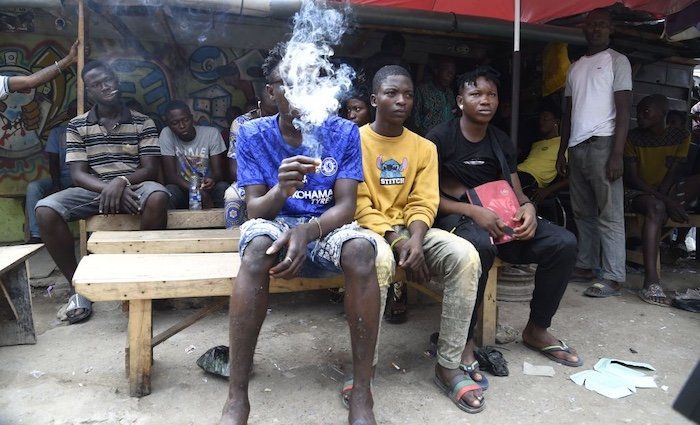
In today’s fast-moving world, where technology connects us in milliseconds and information is just a swipe away, one topic we often fail to discuss openly is the rising abuse of drugs among youth. It’s a silent crisis spreading through our schools, campuses, and communities.
Drug abuse among young people rarely begins with addiction. Sometimes, it starts with stress an exam that feels impossible. Other times, it’s curiosity or the pressure to fit in. Some turn to substances to cope with emotional challenges: depression, anxiety, trauma, or loneliness. It often begins with just one pill, one line just to take the edge off. But soon, that one moment turns into a habit, and that habit becomes an addiction. And addiction? It rewrites everything.
Many young people have fallen victim to drug abuse a trap that’s hard to escape. It often starts with the kind of friends one keeps. When you’re constantly around people who use drugs, it becomes easier to follow their path. You may not even intend to try, but before you know it, you’re doing what you never imagined because of influence.
The scary part? The consequences aren’t always immediate. You may not notice how it slows you down, dulls your focus, eats away at your motivation. Suddenly, school becomes harder. You start falling behind in class. Relationships suffer. You feel disconnected from your dreams, your goals, and even yourself.
Drugs don’t just mess with your health they crash your entire system. From physical problems like kidney damage to mental issues like memory loss and clouded decision-making, drug abuse hijacks your brain. And the longer you’re in it, the harder it becomes to come out. There’s no quick “restart” button. Recovery starts with a decision and a commitment to hold on to it.
And yet, drug abuse is more common than ever. Some get their supply at parties, clubs, or even online. Others steal prescription drugs right from the family medicine cabinet. Whether it’s pills, weed, codeine, or stronger substances, they’ve all become part of a culture that’s becoming far too normal.
But drug abuse isn’t just about cocaine, cigarettes, Indian hemp, or tramadol. It’s also about misusing any medication. Taking more than the prescribed dose of paracetamol, using antibiotics without a pharmacist’s advice—these too are forms of drug abuse. Many youths and even adults are caught in it unknowingly.
The Silent Signs
The saddest part? It hides in plain sight. It’s in the quiet student who suddenly stops attending class. In the friend who’s always tired and disconnected. In the once top-performing student who now barely shows up.
What Should Be Done?
Start the Conversation Early
We need to talk—openly, honestly, and without judgment. Conversations about drugs should begin long before addiction begins. Schools, homes, and even social media platforms need to be part of this effort. Not through fear tactics, but through facts, real stories, and support.
Understand the Root Cause
Behind most drug use is something deeper—anxiety, trauma, depression, loneliness. We need to make mental health services accessible, acceptable, and affordable. No shame. No silence. Just help.
Build Smarter Communities
Not every teenager wants to play football. Some want to build apps, edit videos, play games, or explore new skills. Let’s create community programs and spaces where youth feel seen, heard, and valued.
Accept Responsibility
Let’s stop pretending it’s someone else’s problem. It’s ours. It’s in our schools, our homes, our friend groups. Ignoring it won’t make it go away. Seeking help, including therapy or rehabilitation, is a courageous and necessary step.
It’s hard to break bad habits and easier to form new ones. Drug abuse isn’t a glitch that can be patched overnight. But with honest conversations, real support, and stronger communities, can we can begin to debug the problem one life at a time. The future is ours to build. Let’s not lose it to something that was never worth it.
By Ogbru Kate
Ogbru Kate, is a 300-level Mass Communication Student at Glorious Vision University, writes from Benin City, the Edo State capital