
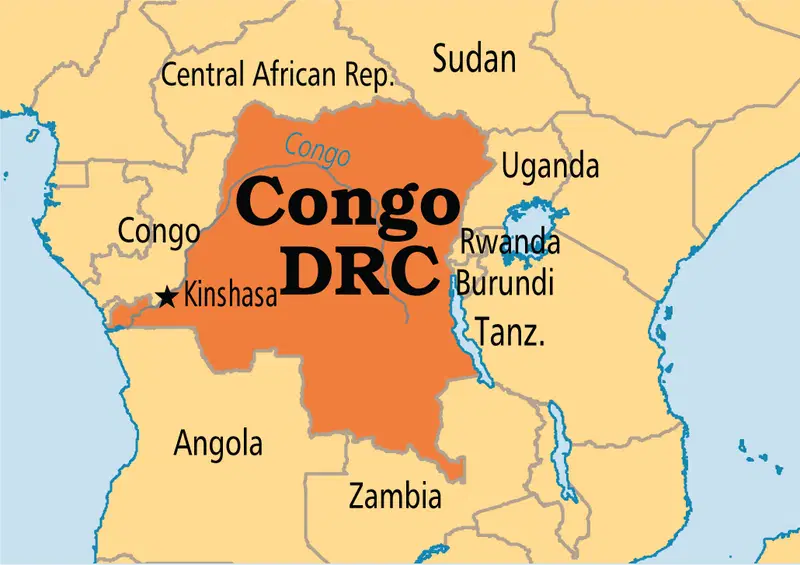
Schools have reopened in Ebola-hit areas of the Democratic Republic of Congo (DRC), after authorities abandoned plans for remote learning in high-risk zones.
The decision followed concerns that prolonged remote learning could cause pupils in affected areas to fall behind their peers.
Government data showed the Ebola death toll had exceeded 3,000, with 6,186 confirmed cases across six provinces and a 48.6 per cent fatality rate.
More than 1,000 schools in Ituri Province are classified as “red zone” areas, indicating high-risk or active transmission.
Education ministry regulations issued on Aug. 19 had required schools in such areas to adopt distance learning through worksheets and radio and television programmes.
An education ministry official said provincial authorities requested the reversal to prevent students in high-risk areas from falling behind academically.
The official said schools would close and introduce distance learning immediately if an Ebola case was detected.
Schools also reopened in parts of North and South Kivu controlled by Rwanda-backed AFC/M23 rebels, with hand-washing and social distancing measures required.
The outbreak is caused by the Bundibugyo species of Ebola, for which there is no approved vaccine or treatment.
Concerns over transmission remained high, with parents in affected communities taking additional precautions as children returned to school.
In Beni, North Kivu, one mother said she packed disinfectant for her three children and warned them against physical contact with classmates.
At schools, staff instructed pupils to use hand sanitiser and directed them to wash basins and other hygiene facilities.
The education ministry official said hygiene kits had been installed in schools located in red zones.
Ebola spreads through direct contact with bodily fluids of infected people (NAN)


