
The Securities and Exchange Commission (SEC) has revealed that Nigerians have lost approximately ₦316 billion to Ponzi schemes and illegal fund managers over the years, warning that greed and ignorance continue to fuel the problem.
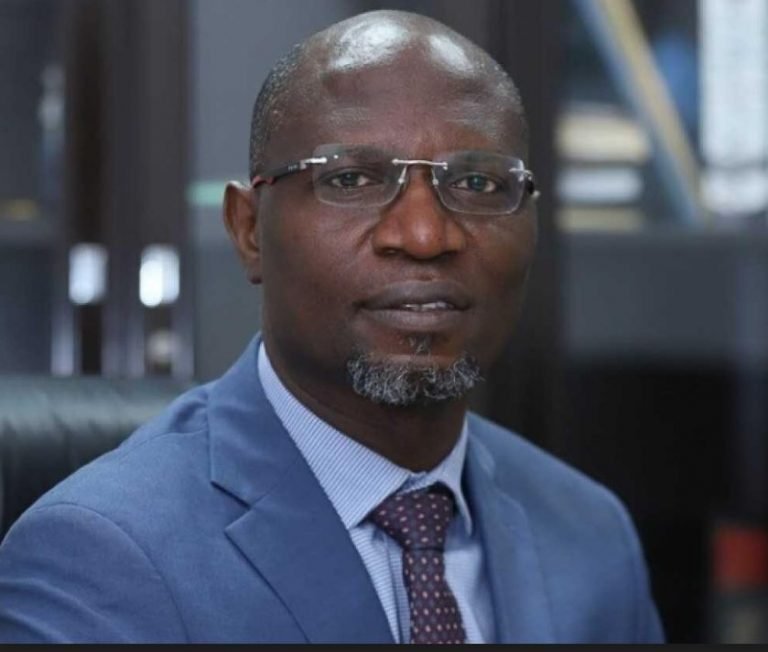
The Head of FinTech and Innovation Department at the Commission, AbdulRasheed Dan-Abu, disclosed this while presenting a paper on combating investment fraud at a journalist academy, a training organised by the commission for finance journalists, in Abuja.
He described Ponzi schemes as fraudulent investment operations that pay returns to old investors from money collected from new entrants rather than from any genuine business activity.
“These schemes are not really doing anything. They are just collecting people’s money and using it to pay the initial investors. At some point, when there are no new investors, the whole thing crashes and the operators disappear,” he said.
According to him, the desire for instant wealth has made many Nigerians fall victim.
“Everybody just wants to get rich today. That is actually what makes people fall into this trap. Even the people who are greedy now are more educated than those who experienced Charles Ponzi’s first scheme. Education has not stopped greed”, he noted.
warned.
Dan-Abu also appealed to journalists to support the campaign against Ponzi schemes.
“The press can really help us. If you write about this once a week, you could save thousands of people. Tomorrow, it might be your son, your cousin or your neighbour. It is not about foolishness; it depends on who the victim spoke to and what he believed,” he said.
He concluded that only vigilance and collaboration can stop the scourge.
In his remarks, the Director-General of the Commission, Dr Emomotimi Agama, said Nigeria cannot afford to lag in regulating digital assets, insisting that robust oversight is critical to protect investors and build trust in the financial system.
Represented by the SEC’s Head of External Relations, Efe Ebelo, the commission’s DG said digital assets were no longer a fringe experiment but had become “a structural pillar of modern finance” that demanded the same level of transparency, accountability and investor protection as traditional markets.
“Regulation is not about restriction; it is about building trust, ensuring that innovation serves progress and not predation,” Agama said.
He noted that Nigeria ranked among the world’s top adopters of digital assets, with more than a third of the population involved in crypto-related activity, but warned that the rapid growth had also created fertile ground for scams, phishing attacks and fake wallet applications.
According to him, the SEC’s 2022 rules on digital assets set out a framework for virtual asset service providers, anchored on licensing, compliance with anti-money laundering standards, and transparency in monitoring transactions.
He said the Commission was working with the Central Bank of Nigeria and the Economic and Financial Crimes Commission to freeze illicit wallets and recover criminal proceeds, while also deploying blockchain analytics tools to trace suspicious transactions.
“Worldwide, regulators face the same paradox. Clamp down too hard and innovation migrates offshore; regulate too softly and systemic risks multiply. Our duty is to strike the right balance,” he said.
Agama stressed that the future of finance was digital, but must remain ethical, transparent and trustworthy.
“In this new frontier of finance, trust is the ultimate currency and as regulators, our highest duty is to preserve it,” he added.


