

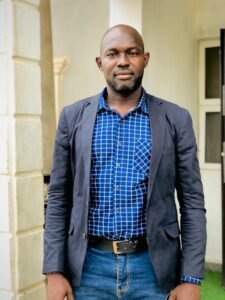
By Ibrahim Kegbegbe
All blame and complaints go to the driver who seemed to be nothing other than a drover
He has been asked to bring out the journey file from the archive to know his aim and the success achieved so far
After many passengers had sung a song of ballad
With prayer from the people in the corner seat which looks like abbey
Not knowing that the driver is a struggling comforter
Having thought the bus was still fit at its sixties
No supper, no breakfast, no lunch, they have just been subsisting with a little brunch
They come down hurriedly in the beach near the desert, looking for something to eat like dessert
All they can see in the back seat is what they have been looking forward to see
Many so-called professors who cannot realize and many psychologists who cannot visualize
Getting to the desert near the beach, all they can see are bleached bitches resting under some bitches
All of a sudden, a voice comes from heaven: you are all the problems and the solutions
Even, you are not created to move from one country to another before you eat
Nor created to sick and die prematurely
You are created with all sorts of resources abundant which to other countries of the world are priceless
You are created with all manners of endowments while others are not as fortunate
Then, the revolution! The characteristics of human beings are: movement, respiration
Nutrition, irritability, growth, excretion, reproduction and death
The acronym of NIGERIA: nutrition, irritability, growth, excretion, respiration, reproduction in all
Fallacy from the biology professors
No death, yet these killings!
No movement from one country to another before eating, yet this hunger!

Interpretative comments on the above thoughts!
The allegorical piece presented above sheds light on the socio-economic challenges faced by Nigeria, using the driver as a representation of the President and the passengers symbolizing the citizens. Through this narrative, it unveils a profound commentary on the state of the nation, focusing on economic recession and its consequences.
The driver being likened to a “drover” signifies a lack of vision and leadership, highlighting the role of the President in steering the nation’s economy. The request for the “journey file” reflects the need for transparency and accountability in assessing the President’s aims and the success achieved so far. This echoes the call for greater transparency in economic policies and their outcomes.
The passengers, singing a “song of ballad,” can be seen as the populace expressing their concerns and discontent with the economic situation. Their “little brunch” in the absence of proper meals represents the struggle of the average Nigerian to make ends meet during economic hardships, pointing towards the consequences of recession, including poverty and hunger.
The reference to “professors who cannot realize” and “psychologists who cannot visualize” highlights the frustration with the educated elite and experts who have failed to address the economic issues effectively. This can be associated with the failure of policymakers and economists in addressing the economic challenges in the country.
The mention of “resources abundant” and “all manners of endowments” draws attention to Nigeria’s vast natural resources and potential for growth. However, the “revolution” called for in the piece underscores the urgent need for a change in economic policies and management.
The acronym of NIGERIA, highlighting various characteristics of human beings, alludes to the potential for growth and development within the nation if these characteristics are harnessed effectively. However, the piece underlines a “fallacy” in the biology professors’ belief in “No death, yet these killings!” which can be linked to the loss of lives due to economic hardship, insecurity, and other consequences of recession.
In addition, the allegorical piece underscores the economic recession in Nigeria and its profound consequences on the lives of its citizens. It calls for a change in leadership and economic policies to harness the nation’s abundant resources and potential for growth, providing a philosophical and logical reflection on the state of the nation.
Composed; arranged; written and interpreted by Ibrahim Taofeek Kegbegbe (Nigerian journalist)


